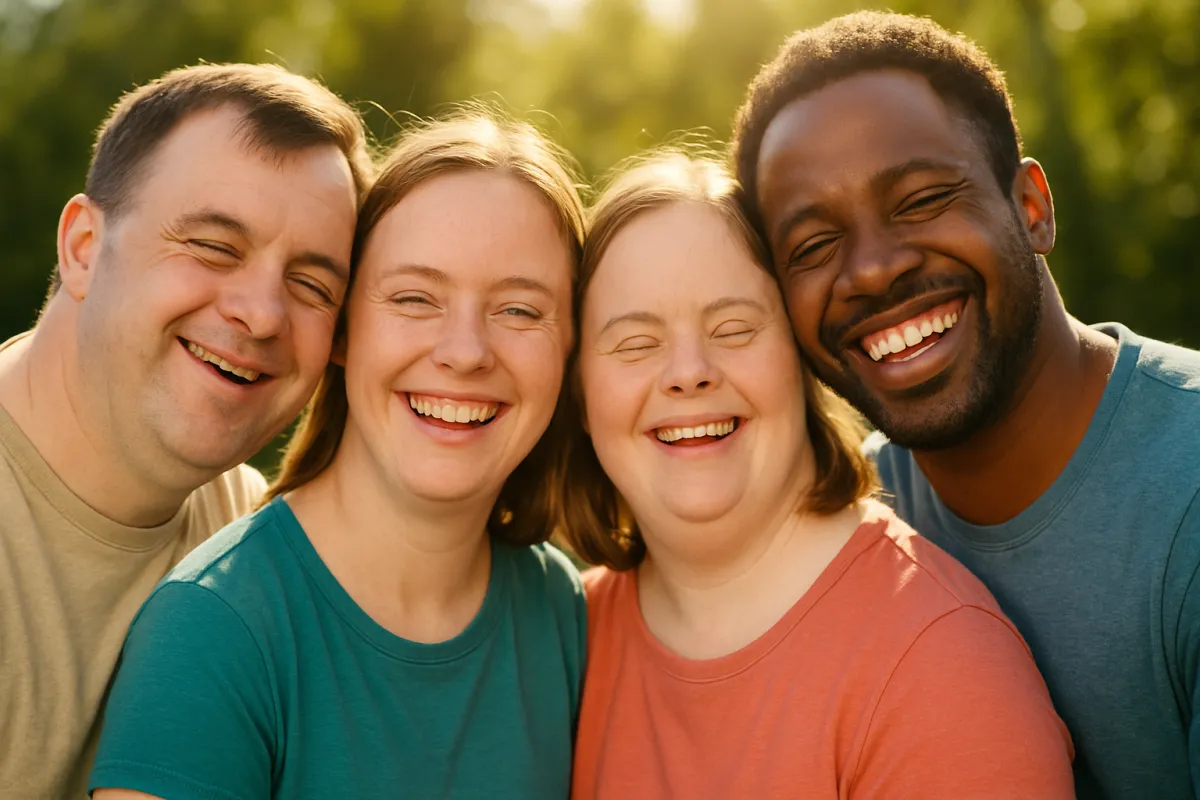
6 Ways to Help Your Loved One Build Meaningful Friendships in the Community
6 Ways to Help Your Loved One Build Meaningful Friendships in the Community
GEM Support Services | Northeast Florida IDD Resource
Loneliness affects adults with intellectual and developmental disabilities at alarming rates. Despite living in communities surrounded by people, many individuals with IDD experience profound social isolation. Meaningful friendships—not just staff relationships or family connections—transform quality of life. Here are six approaches to help your loved one build authentic community friendships.
Identifying Interests as Friendship Foundations
1. Build friendships around shared activities, not disability-specific programs. While disability-focused social groups serve important purposes, the richest friendships often emerge from shared interests rather than shared diagnoses. If your loved one enjoys bowling, join a community bowling league—not just a “special needs” bowling night. If they love animals, volunteer at a local shelter where they’ll meet fellow animal enthusiasts.
This approach requires more support initially but creates opportunities for genuine peer relationships based on mutual interests rather than assigned groupings based on disability status.
2. Explore community connection points systematically. Don’t limit exploration to obvious options. Community recreation centers, faith communities, hobby clubs, fitness classes, art workshops, community gardens, and volunteer organizations all offer potential connection points.
Visit multiple options before settling on one. Your loved one’s response to different environments and activities guides decision-making. Some individuals thrive in structured group settings; others connect better through smaller, informal gatherings.
Supporting Skill Development Without Taking Over
3. Coach social skills in real-world contexts. Friendship requires skills that can be developed—conversation initiation, turn-taking, reading social cues, expressing interest in others. Rather than artificial “social skills training,” practice these abilities in actual community situations where they’ll be used.
The companion care approach supports this development. Caregivers accompany individuals into social situations, providing real-time coaching and support while gradually fading assistance as skills strengthen. The goal is independent social connection, not permanent dependence on support staff presence.
4. Facilitate without controlling. When supporting social interactions, resist the urge to speak for your loved one, finish their sentences, or direct every conversation. Create opportunities, provide backup when needed, and step back whenever possible. Authentic friendships require space for individuals to be themselves—including making social mistakes and recovering from them.
Leveraging Technology Thoughtfully
5. Use technology as a bridge, not a replacement. Video calls with distant friends, social media connections with supervised support, online communities centered on specific interests—technology creates connection opportunities that transcend geographic limitations.
However, screen-based relationships shouldn’t replace in-person connections. Use technology to maintain friendships, coordinate meetups, and extend relationships that also include face-to-face interaction. Monitor online interactions appropriately while respecting your loved one’s growing autonomy.
6. Create consistent, repeated contact opportunities. Friendships develop through repeated interaction over time. Single events rarely produce lasting connections. Instead, identify activities that occur regularly—weekly classes, monthly club meetings, ongoing volunteer commitments—that create multiple opportunities for the same people to interact.
Consistency matters. Showing up regularly to the same community choir, fitness class, or volunteer shift allows relationships to develop naturally through repeated contact, shared experiences, and gradual trust-building.
The Companion Care Advantage
At GEM Support Services, facilitating meaningful community connections is central to our companion care approach. Our staff don’t just accompany individuals to activities—they actively support friendship development while progressively stepping back as social confidence grows. Everyone deserves genuine friendship. We help make it possible.
Ready to Partner with GEM Support Services?
Call or Text: (904) 670-7411 | Email: [email protected] | Visit: gemsupportservices.org
Serving Clay, Duval, Nassau & St. Johns Counties | APD Medicaid Waiver Provider


